
Selected colour swatches
You can order up to 20 colour swatches

How to Paint a Front Door
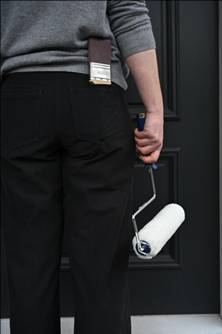
Feeling like your front door’s looking a little faded or you just want to spruce up your facade? Then a fresh coat of paint is just what you need! Painting your front door is one of the easiest ways to update your home’s exterior while also protect your entryway from the elements.
Whether you’re new to DIY or just after a few pro tips, this step-by-step guide will show you exactly how to paint your front door for a durable, professional finish that’ll make every return home feel welcoming.
Benefits of Painting a Front Door
Painting your front door isn’t just about looks (though it does make a big first impression). It’s also a great way to protect it from general wear while preserving it for years to come. Here are a few other reasons to paint your front door:
- Weather protection: Shield your front door from whatever nature has to throw at it, whether it’s heavy rain, harsh winds, or intense sunlight.
- Style: Create a welcoming entry that stands out for all the right reasons. This also can elevate your homes curb appeal.
- Longevity: Extend the lifespan of your door no matter what material it’s made from.
- Quick refresh: Repainting you front door is a simple, cost-effective way to give your home’s exterior a modern update.
What Tools Do You Need
Before you get started, make sure to gather everything you need so you don’t have to dig around the garage or make multiple trips to Bunnings. Using quality tools will make all the difference to the final result, resulting in smoother coverage, fewer streaks, and a finish that looks like it’s been done by a pro.
You’ll need:
- Brushes and rollers
- Drop sheets
- Painter’s tape
- Sandpaper (fine grit)
- Primer (if needed)
- Exterior paint
Lay everything out neatly before you start to keep organised and save time once you’re mid-project!
Preparing a Front Door
Preparation is key to achieving that perfect finish and different door materials will need slightly different care to get them ready for painting. Be sure of what material your front door is made from and check out how to best prep them below:
Wooden Doors
For wooden doors, lightly sand the surface to remove any mill glaze, old paint, or rough spots. This helps your new paint stick better and last longer. If you have detailing, take care to get into all the crevices and panels evenly.
Metal Doors
If your door is metal, make sure to clean the surface thoroughly to remove any factory oils, then apply a suitable metal primer. These primers are designed to prevent future rust and helps the paint in your chosen colour better bond to the surface.
Composite or Fibreglass Doors
For composite or Fibreglass doors, give the door a good clean with mild detergent and water and let it dry completely. Similar to metal doors, go in with a primer that’s compatible with composite or fibreglass materials for the best application results.
Proper prep ensures overall better paint adhesion, allowing for a more professional looking finish that stays flawless for longer.
Priming the Door
If your door is bare, unpainted, or heavily sanded, priming is a must. A good primer seals the surface, improves adhesion, and prevents issues like tannin bleed on timber. If possible, prime the top and bottom the door as this will ensure that no moisture enters the door. Save time and multiple coats by using an all-in-one primer such as British Paints Prep 4-in-1 Water Based Primer, which seals porous surfaces, primes, undercoats and stain-blocks all at once for a beautifully even base for your topcoat.
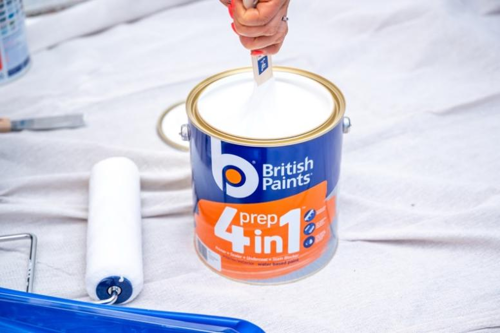
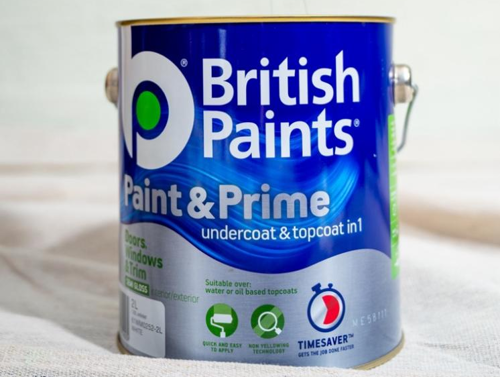
You can also use British Paints Paint & Prime which allows you to skip the separate primer step as it’s built right in, saving you time while still delivering top-notch results.
Choosing the Right Paint and Finish
Your front door faces the full force of the Aussie elements, so it needs paint that’s tough, flexible, and weather-ready. Look for a paint that offers strong weather protection for lasting durability and UV resistance to stop fading. You’ll also want to make sure it has an element of mould and mildew resistance to keep your entry looking clean and fresh.
When it comes to finish, there are a couple of options.
- · Semi-gloss offers a durable, easy to clean surface and gives that classic front-door shine.
- Satin finish creates a softer look that helps hide minor imperfections while still looking elegant.
British Paints Paint & Prime is perfect blend of durability and style; designed for Australian conditions, with great coverage and a lasting finish.
Step-by-Step Guide to Painting a Front Door
Now that you’ve got everything you need and all the prep work is done, it’s time to get painting! Follow these simple steps for a professional, long-lasting finish.
Step 1: Protect Surrounding Areas
Lay down drop sheets and apply painter’s tape around the door frame, hinges, handles, and hardware. If you’re painting the door while it’s still on the frame, tape around the edges to avoid stray brushstrokes. Also, use a door wedge to help keep the door still while painting.
Step 2: Stir the paint and Apply the First Coat
Give your paint a good stir before applying. Start by using a paint brush and cutting in around the edges and panels, then use a roller for the larger flat areas.
- For panelled doors, paint the recessed panels first, then the raised sections, finishing with the outer edges.
- For flush doors, roll evenly in smooth, overlapping strokes for a streak-free finish.
Step 3: Allow to Dry and Apply a Second Coat
Once the first coat is fully dry (check your paint label for drying times), go in with a second coat. A second coat is key to ensuring even coverage while also strengthening the paint’s and your door’s durability against the weather and everyday wear.
Step 4: Finishing Touches
Once the final coat has completely dried, carefully remove any painter’s tape, reattach any hardware you removed, then step back to admire your handiwork.
Throw away any rubbish responsibly and give yourself a well-earned break because you’ve just transformed your front door!
Common Mistakes to Avoid
A few small missteps can create unnecessary headaches. To avoid these, here are a few things to steer clear of:
- Painting in extreme weather such as too hot, too cold, or too humid. Make sure the forecast is just right.
- Overloading your brush or roller and painting in thick coats is a no-go. Thin, even coats are key.
- Skipping primer on bare surfaces. Your paint won’t adhere well, and you might have to repeat the whole again!
- Not letting your paint properly dry between coats. This can lead to streaks, peeling, and an uneven, textured finish
Patience always pays off when it comes to painting!
FAQs
Do I need to prime a front door before painting?
If your door is bare wood or metal, unpainted, or heavily sanded, you’ll want to use an appropriate primer, otherwise, British Paints Paint & Prime will get the job done in one go.
Can I use interior paint on a front door?
As interior paints are not formulated for protecting against the unpredictable elements, it’s best to use an exterior paint for the best weather protection and durability.
Can you paint a front door without removing it?
You sure can! Simply remove and locks and door-knockers, then use painters tape around any hinges and the frames and work carefully using a paint brush to cut in.
Do you paint both sides of a front door?
You can, but it’s not essential. Most people will usually just paint the exterior side for a quick refresh.
How long should I wait between coats?
Drying time can depend on the type of paint you use as well as the weather in which you are painting in so it’s best to check your product label. Generally, you can wait until the surface is completely dry before recoating.
What's the best paint to finish for front doors?
The finish you choose can be up to you and the look you’re going for at your home, but often semi-gloss is the classic choice as it is durable and easy to clean. Satin finish is also a common choice that is more subtle and modern.
How can I keep my painted door looking fresh?
After spending all that time prepping and painting, make sure you door looks as good as new by wiping it down every few months and touch up small chips promptly.
Ready to Paint Your Door
With the right prep, tools, and paint, transforming your front door is a weekend project that makes a big impact.
Planning to paint an interior door next?
Read our step-by-step guide on how to paint an interior door.
Explore our full range of British Paints exterior paints and give your front door a flawless, lasting finish that welcomes you home every day.