
Selected colour swatches
You can order up to 20 colour swatches

How to paint exterior walls
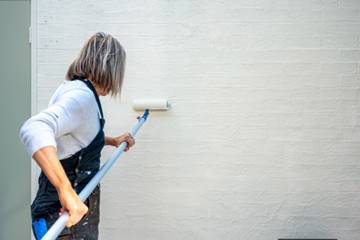
Thinking about giving your home’s exterior a facelift? You’ve come to the right place. Whether your walls are looking a little tired or you’re simply craving a colour refresh, our handy step-by-step guide walks you through everything you need to know, from the initial prep work to that final satisfying brushstroke.
Of course, painting exterior walls isn’t just for looks (though a fresh coat certainly turns heads). It also is key to protecting your home from the elements and keeping it in top shape for years to come. So, grab your brushes rollers and let’s get painting!
Why Paint Exterior Walls?
Painting your exterior walls does far more than refresh your façade. It’s a smart investment in your home’s longevity and overall value.
Not only does a fresh coat of paint give your home some instant wow-factor, using the right kind of paint can help protect the exterior surfaces from the elements including rain, wind, UV rays, and mould. Plus, a clean, modern finish can help make your home feel brand new, while also bringing up the property value especially if you are in the market to sell.
Choosing the Right Paint for Exterior Walls
Exterior paint has a tough job to do; it needs to withstand Australia’s ever-changing weather while still looking brilliant. So, while you’re also deciding on colours, here are a few key things to also consider when choosing the right paint for your home:
- Weather resistance: You’ll want to make sure to shield your home from whatever nature has to throw at it, whether it’s heavy rain, harsh winds, or intense sunlight.
- UV protection: Don’t let all your hard work fade away! Keeps colours bright and fresh with a paint that has good levels of UV protection.
- Mould and mildew resistance: This helps keep your walls looking clean and fresh and prevents decay too. This is especially important for weatherboard homes and if you live in more humid areas too.
- Picking right sheen: For most large surfaces, a low sheen is the option to go for as it gives a stylish, modern finish and hides imperfections. For doors, windows and trim, a semi-gloss finish is usually the go-to as it makes cleaning easier.
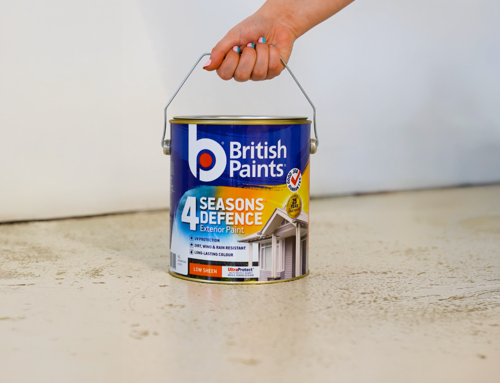
For a reliable, long-lasting result, you can’t go past British Paints 4 Seasons Defence Exterior. Designed to handle the extremes of the Australian climate, it offers advanced protection, excellent coverage, and a beautifully even finish.
How to Prepare Exterior Walls for Painting
Good prep work is the secret to a professional finish. So, to get your walls ready to paint, there are few important steps to take to ensure your application goes on smoothly and seamlessly.
Clean Exterior Walls Before Painting
Start by giving your walls a good, thorough clean as paint simply won’t stick to dust or grime. Hose down each surface to remove loose dirt and cobwebs, and for any stubborn grime or chalky residue, scrub with a mild detergent or use a pressure washer on a gentle setting. Make sure to rinse everything off well and let your walls dry completely before moving on.
How to Treat Mould on Exterior Walls Before Painting
Mould is a no-go for painting as it can cause the paint to bubble, peel, or fail altogether. Plus painting over it only covers the problem and doesn’t get rid of it, meaning you’ll probably be needed to complete the painting process all over again very soon!
To target and successfully remove mould, you’ll want to clean any affected areas with a good mould removal solution (don’t forget to wear gloves and a mask!). Once cleaned, make sure to rinse the area thoroughly and allow to dry fully.
Remember, removing mould doesn’t just improve the finish, it also keeps your home healthier, too.
How to Repair Cracks in Exterior Walls Before Painting
Similar to mould, cracks can ruin an otherwise perfect paint job, so it’s worth fixing them properly before you start. While cleaning, keep an eye out for any small hairline cracks and fill them with a high-quality exterior-grade filler. Once dry, sand these areas smooth to create a flat, even surface for painting.
For larger cracks or serious damage, it’s recommended to consult a professional before attempting any fixes yourself.
A little patience here pays off big when your walls look flawless and fresh.
Sand and Prepare the Surface
Give the walls you plan to paint a light sand to remove any flaking paint or to smooth over filler patches. Then wipe down the areas with a clean, dry cloth to remove any debris. You’ll be amazed how much smoother your roller will glide by completing this step!
Prime if Needed
If your walls are bare masonry, very porous, or have had lots of repairs, a primer will help your paint stick beautifully and ensure even colour.
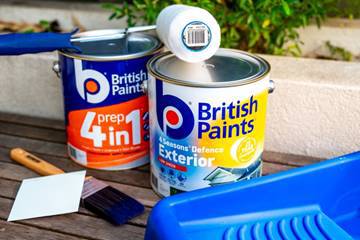
A primer like British Paints Prep 4-in-1 Water Based Primer, is a great option as it seals, primes, and smooths all in one easy step, making it a real time-saver.
Step-by-Step Guide to Painting Exterior Walls
Now that you have done all the prep work, the fun part begins! Here’s our helpful paint tips and tricks to getting that professional-looking result.
Step 1: Gather Tools & Materials
To paint your home’s exterior, you’ll need:
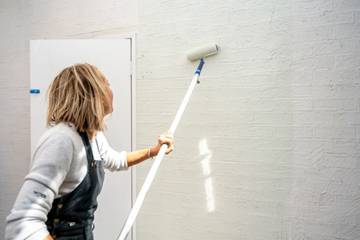
- Brushes and rollers (a roller with an extension pole makes life a lot easier)
- Drop sheets
- Painter’s tape
- Buckets, sponges, and filler (if needed)
By setting everything up before you start and having your tools ready to go makes the job go much smoother (and more enjoyable).
Step 2: Protect Surrounding Areas
Make sure to cover windows, trims, paths, and any plants with drop sheets and painter’s tape. Spending a few extra minutes here means less clean-up later, and no accidental paint splatters on your favourite flowers.
Step 3: Apply the First Coat
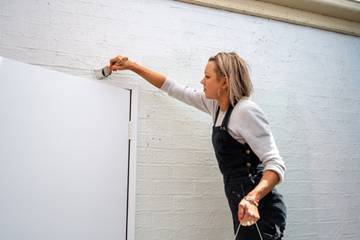
Start by cutting in around any edges like doorways, windows or decorative features with a brush, then move onto the larger areas by using a roller. Use long, even strokes and maintain a “wet edge” to avoid visible lap marks and streak free finish. Allow to dry for at least 2 – 4 hours, but it’s good to check the manufacturer’s drying times before recoating.
Step 4: Apply a Second Coat
Once the first coat is fully dry, go in and apply a second coat. This second coat is important at it helps to strengthen the overall finish and improve long-term durability of your paint job while also deepening the colour.
Step 5: Finishing Touches and Clean Up
Once your second is dry, you can go ahead and remove any tape carefully and pick up your drop sheet. Make sure to tidy up your workspace by storing any extra paint in a safe place and wash your brushes and rollers as soon as you can with water if you’ve used a water-based paint.
Then step back and admire your work because you’ve just given your home a major upgrade!
Common Mistakes to Avoid
Even experienced DIYers can slip up, so make sure to keep these in mind before you start painting:
- Don’t paint over dirty or mouldy walls.
- Make sure to use a primer on porous or bare surfaces.
- Avoid painting in poor weather (too hot, too cold, too wet).
- Paint two thin, even coats instead of one thick, heavy one
Remember these top tips and you’ll be on your way to a flawless, long-lasting finish.
FAQs
Do I need to pressure wash exterior walls before painting?
If you have a pressure washer that can be set to a gentle option, you can use that especially for large surfaces, otherwise a gentle wash with the hose some detergent is enough. Just make sure you walls are clean and dry before you paint.
How do I know if my walls need priming?
If your home’s exterior surface is bare wood, a porous material, or heavily repaired, using an All-in-one primer will help your colour choice paint perform better.
What’s the best filler for exterior wall cracks?
If your wall has light damage like small cracks, use an exterior-grade flexible filler, suited to your home’s building material, that can expand and contract with temperature changes.
How do I stop mould from coming back after painting?
Make sure to address the mould situation first by clearing it then use a paint with mould and mildew resistance, like British Paints 4 Seasons Defence Exterior. Try and keep your home’s exterior walls clean to keep mould from returning.
What’s the best weather for painting exterior walls?
Aim for a dry day with low humidity and mild temperatures (not too hot or cold). Avoid painting in direct sunlight or when rain is expected, as extreme conditions can affect how the paint dries and cures.
Ready to Transform Your Walls?
With the right prep, tools, and paint, painting your exterior walls is one of the easiest ways to refresh your home and protect it from the elements.
Explore our full range of British Paints exterior paints and get inspired to start your next project.
Browse our exterior paints today and give your home’s exterior a fresh, weather-resistant finish.