
Selected colour swatches
You can order up to 20 colour swatches

How to paint rendered walls
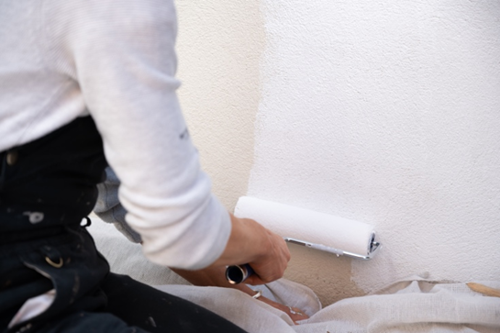
A rendered wall is a surface that has been coated with a mixture, typically a cement-based material, to create a smooth or textured finish. Render is commonly used on exterior walls to improve durability, enhance weather resistance, and provide a clean, modern look.
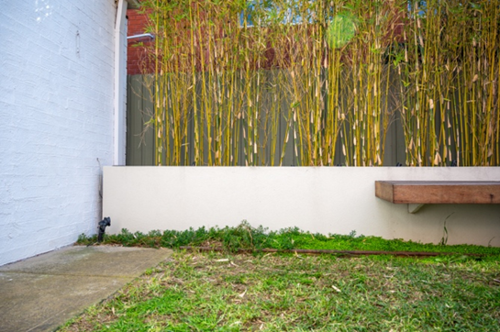
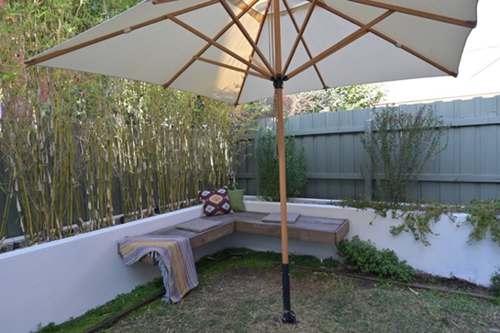
Rendered finishes are common on outer walls of homes, garden walls, and boundary fences. The tough nature and protective qualities of render make it an excellent choice for the harsh and varied Australian conditions, helping to protect your home from the elements including rain, sun, and temperature changes.
Choosing the Right Paint for Rendered Walls
Rendered walls need a paint that's tough enough to handle outdoor conditions while also allowing the surface to breathe. When it comes to choosing the right paint for the job, here are few things to keep in mind:
- Weather resistance: You'll want to make sure to shield your home from whatever nature has to throw at it, whether it's heavy rain, harsh winds, or intense sunlight.
- UV protection: Don't let all your hard work fade away! Keep colours bright and fresh with a paint that has good levels of UV protection.
- Mould and mildew resistance: This helps keep your walls looking clean and fresh and prevents decay too. This is especially important for weatherboard homes and if you live in more humid areas too.
- Flexibility: This allows the paint to expand and contract with temperature changes, helping to prevent cracks and peeling.
You'll also want to take into consideration the type of finish you use. Most exterior surfaces fare better with a matte or low-sheen paint as this can help disguise any minor surface imperfections while offering a modern, stylish look. If you prefer easier cleaning, a slightly higher sheen or semi-gloss can also work well, but best to keep these to doors, windows, and trims.
It's also important to use a high-quality exterior paint as it will improve the longevity of your paint job, meaning less maintenance over time.
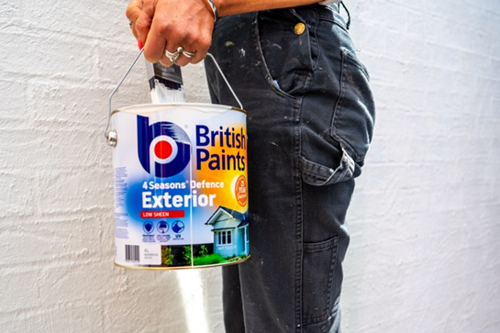
British Paints 4 Seasons Defence Exterior
When painting a rendered wall, British Paints 4 Seasons Defence Exterior is a great paint choice. Designed to provide superior protection against the elements, the advanced weather defence technology helps your paint withstand Australia's ever-changing conditions. Plus, the low-sheen finish offers a modern look while minimising surface imperfections.
Learn more about British Paints 4 Seasons Defence Exterior
Step-by-Step Guide to Painting a Rendered Wall
Step 1: Gather Tools & Materials
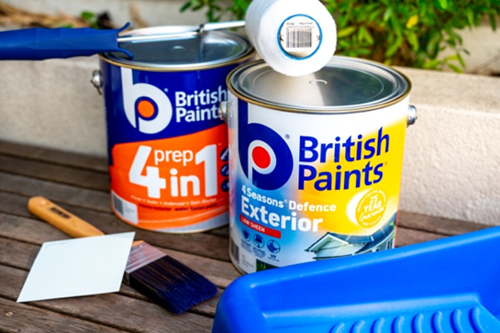
To paint a rendered wall, you'll want to pick up the following products:
- Paint roller and extension pole
- Paintbrush
- Drop sheets
- Painter's tape
- Filler and putty knife
- Sandpaper
- Bucket and sponge or a pressure washer if available
- Primer or sealer (if required)
- Exterior paint
Step 2: Check the Condition of the Render
Before you start painting, inspect your wall carefully for any cracks, flaking, chalky surfaces, or mould. Repair any cracks or damaged sections using a suitable exterior filler then, once dry, sand it smooth to create an even surface. This helps your paint adhere to the render better.
If the render is new, ensure it has fully cured. This usually takes around 4 to 6 weeks.
Step 3: Clean the Surface
Clean walls are key to good paint adhesion. Cleaning your rendered wall is especially important if it's in or around a garden. If you have a pressure washer available, pressure wash the area to remove dirt and grime. If not, start by brushing off any loose dirt and dust, then wash the area down with mild detergent and water. Make sure to rinse away the soap thoroughly and allow to completely dry.
If you come across any mould, make sure to remove it using a suitable mould removal solution. You can find our best method with our guide on How to Remove Mould.
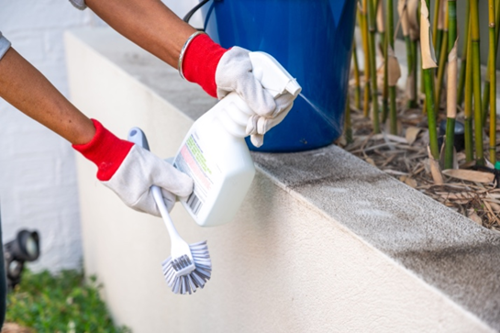
Step 4: Cover and Protect Surfaces
Use a drop sheet to protect any pathways, grass areas and garden beds. If painting your home, use painter's tape to cover any windows, trims and fittings. These extra steps mean less clean up later!

Step 5: Prime or Seal (if needed)
If your render is new or very porous, you'll want to apply a primer or sealer first. This not only protects your render but also allows for your paint to go on more smoothly. An all-in-one primer like British Paints Prep 4in1 Water Based, is a great option as it's designed to create a uniform surface, improves paint adhesion while preventing patchiness.
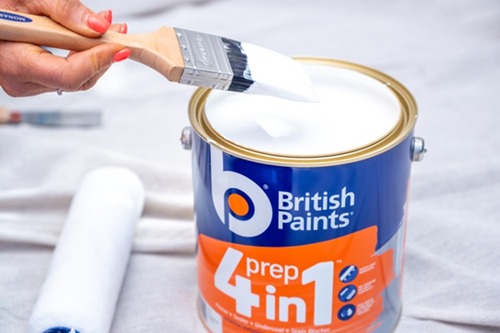
Step 6: Apply the Paint
Okay, now that the prep work is complete, it's time for the fun part! Start painting by cutting in around the edges and any trim with a brush. Then, using a roller, cover larger areas with smooth, overlapping strokes, working in sections to maintain a consistent wet edge and to hide any visible joins. Allow to dry for at least 2–4 hours (check your paint label for drying times).
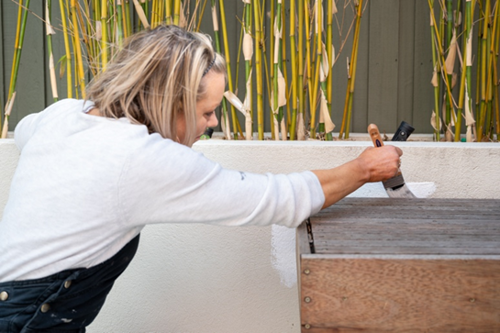
Step 7: Apply a Second Coat
Once the first coat is dry, go in with a second coat following the same painting process. A second coat is key to ensuring even coverage while also strengthening the paint's durability against weather and everyday wear.
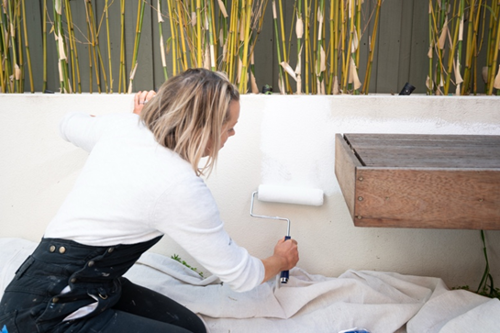
Step 8: Finishing Touches and Clean-Up
After the final coat has dried, carefully remove any painter's tape and the drop sheets. Clean up your brushes and rollers with water if using water-based paint shortly after painting. Store any leftover paint in a safe place for future touch-ups and then get rid of any rubbish responsibly.
FAQs
How long should I wait before painting newly applied render?
Before painting, you'll want to allow new render to cure fully, which typically can take 4 to 6 weeks. This ensures proper paint adhesion and better longevity.
What type of paint is best for exterior rendered walls?
As exterior rendered walls are exposed to all the elements, it's best to use a high-quality, weather-resistant masonry or exterior paint, such as British Paints 4 Seasons Defence Exterior.
Can I paint over old render that is flaking or damaged?
Paint adheres best to a smooth surface, so it's best to prep your rendered wall by removing any flaking areas, repairing cracks, and sanding smooth before painting.
What is the best weather for painting exterior render?
Aim for a dry day with low humidity and mild temperatures (not too hot or cold). Avoid painting in direct sunlight or when rain is expected, as extreme conditions can affect how the paint dries and cures.
How do I maintain a painted rendered wall?
Keep your fresh paint job looking as good as the day you did it by cleaning the surface regularly with a mild detergent and water to remove any dirt and mildew. With any extra paint you can touch up small areas as needed.
Ready to Transform Your Walls?
With the right preparation, tools, and high-quality paint, painting a rendered wall can completely transform your home's exterior.
Explore the full range of British Paints exterior paints and get started on your next project today.
Browse our exterior paint collection and find the perfect finish for your home.